Videos & films featuring the Kasbah
VIDEOS
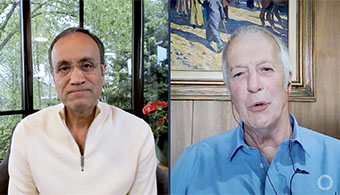
Sunny Gurpreet Singh interviews Sustainable Tourism Expert, Mike McHugo, on his Living with Sunny podcast.
Watch podcast
ConWeimar
Copyright © 2018
ConWeimar
Hotel Marzeń (Dream Hotel)
Anna Dereszowska
Copyright © TVN Style 2016
ContemporaryNomad.com
Tony & Thomas - Contemporary Nomad.

909 Productions and Ushuaïa TV
Paris based film production company 909 Productions and Ushuaïa TV have put together an excellent TV programme featuring Kasbah du Toubkal
Imlil Valley
A video featuring life in the Ait Mizane Valley deep within the High Atlas Mountains centred around the village of Imlil. Madalin Tiganus © All Rights Reserved
Go-Golf.tv
David J. Whyte
Golf Travel Writer, Photographer & Producer
AWOL Adventure Without Limits
AWOL Adventure Ltd are a film production company specialising in adventure travel.
Atlas Mountains Trek
Maria Thi Mai
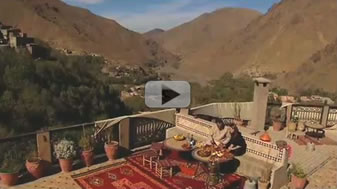
3 Op Reis
Froukje Jansen from Dutch TV travel show 3 Op Reis visits the Kasbah in this short film
TEDxMarrakesh 2013
Her Majesty’s Ambassador to the Kingdom of Morocco, Clive Alderton, talks about Education for All Morocco, the charity which Kasbah du Toubkal supports.
FILMS
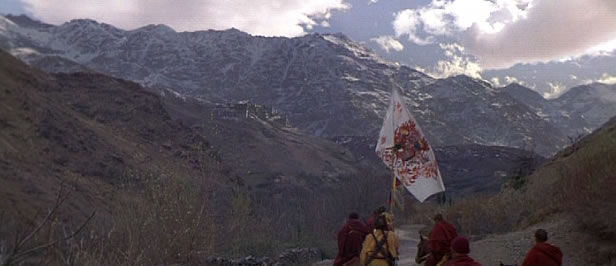
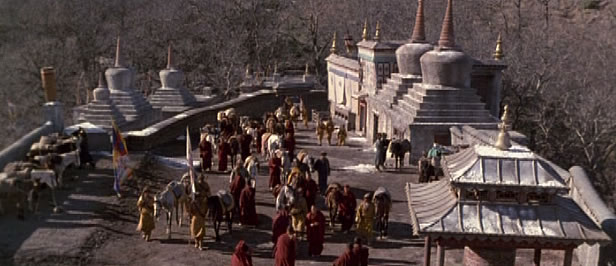
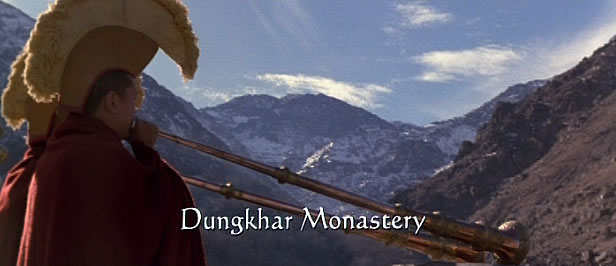
So impressive is the scenery that film director Martin Scorsese chose Imlil as one of the locations for Kundun, his film about the Dalai Lama, temporarily transforming the Kasbah into a Tibetan monastery.
Martin Scorsese, the film director, made a film in Morocco about the early life of the Dalai Lama. The Dalai Lama was forced to flee Tibet for India when the Chinese occupied Tibet. This film became the centre of a major issue between China, who wanted the film to be cancelled, and Disney, who decided to distribute the film. The Chinese threatened to refuse Disney permission to open a Disneyland park near Shanghai. Ultimately the President of Disney resigned but the film continued.
What has this to do with Imlil? Well, in November 1996 the Kasbah was temporarily transformed into the Tibetan Monastery of Dungkar, to which the Dalai Lama fled from Lhasa in Tibet. Filming was based at the studios in Ouarzazate, but moved to Imlil for 5 weeks of set preparation and a few days shooting using Tibetan actors, extras and film crew. The Kasbah was clad with stonework, prayer wheels, wooden doors and Tibetan domes! 100 Tibetans, 45 horses and 2 yaks transformed the valley. Local villagers were employed during the quiet winter period to meet the 33 4x4 vehicles, 10 lorries and all sorts of film making equipment which had to be transported up to the Kasbah.
Our capable host, Omar, was a key coordinator between the village and the location crew. Snow was made from Epsom salts and the weather for the days of filming last December was all that the art directors had wished for – with a respectable amount of snow on the backdrop of mountains. The Tibetan actors and extras were flown to Morocco from Nepal, India and even New York. Local Village Involvement: Part of the location fee has been given to the Imlil Village Association, a NGO to use the development jargon, which should enable the villages represented to work with outside agencies in an officially recognised format.